ABOUT PROJECT
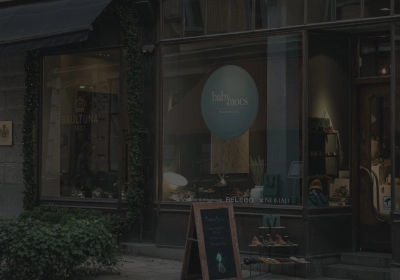
When Latifa Seini envisioned Lembrih, she saw more than just another e-commerce platform – she saw a digital bridge connecting the rich artistic heritage of Africa with global consumers hungry for authenticity. The marketplace emerged from a powerful realization: while African and Black artisans possess centuries of craft traditions and create breathtaking pieces that tell stories of culture, resilience, and creativity, they often lack direct access to international markets that value their work. Lembrih transforms this narrative by creating a dedicated space where handcrafted accessories, distinctive home decor, original art, and unique items find their rightful audience – people who appreciate the soul embedded in every stitch, carving, and brushstroke.
What makes Lembrih extraordinary is the ecosystem of empowerment it cultivates. Each purchase on the platform directly supports Black and African artisans, allowing them to sustain their craft, support their families, and preserve traditional techniques that might otherwise fade in an increasingly homogenized world. The client base consists of conscious consumers – individuals who understand that buying a hand-woven basket or a piece of contemporary African art is an investment in cultural preservation and economic justice.

Key Challenges
The development of Lembrih was a smooth and collaborative process, with the Roobykon team facing minimal technical challenges. From the outset, the project benefited from clear goals, a well-defined client vision, and a cooperative approach that made building the marketplace an efficient and enjoyable experience.
Every feature was implemented seamlessly, reflecting both the quality of the platform and the shared commitment to celebrating the work of Black and African artisans.
TECHNOLOGY STACK


Solution Highlights
Roobykon Software understood that Lembrih needed a sophisticated marketplace infrastructure that could scale with ambition while maintaining the intimate, story-driven shopping experience that sets artisan marketplaces apart. Leveraging the powerful Sharetribe Web Template as the foundation, our development team architected a custom solution that balanced rapid deployment with extensive customization capabilities. The Sharetribe core API provided the essential marketplace backbone, managing listings, transactions, user profiles, and payment flows, while our engineers enhanced it with a modern, responsive frontend that truly showcases the vibrant colors, textures, and narratives behind each artisan’s work.
We built the frontend using ReactJS and React Router, creating a fluid, single-page application experience where browsing collections feels effortless and intuitive, critical for converting curious visitors into passionate customers. Redux manages the application state with precision, ensuring that shopping carts, user sessions, and real-time updates function flawlessly even during high-traffic periods. On the backend, NodeJS and Express power custom API integrations and business logic extensions, enabling features tailored specifically to Lembrih’s unique needs – from artisan verification systems to storytelling components that highlight each creator’s journey. Final Form handles complex multi-step processes like vendor onboarding and product listings with elegant validation, making it simple for artisans of varying technical abilities to share their work with the world.

THE PROCESS
01
Discovery & consultation: The project began with a strategic consultation led by our sales manager, who guided the client in shaping the vision of a no-code marketplace. Together, we defined the platform’s goals, scope, and structure, ensuring alignment with the client’s expectations from the very start.
02
No-code marketplace setup: Using Sharetribe’s Web Template, we built the initial version of the platform quickly and efficiently. At this stage, the marketplace already looked great, providing artisans with storefronts and buyers with a smooth shopping experience.
03
First customization request: Later, the client requested a small customization to enhance functionality. We evaluated the task, implemented the changes, and successfully deployed the project live, giving it its first public presence.
04
Second iteration: Encouraged by the first results, the client introduced a second customization request. Our team handled development and integration seamlessly, further refining the marketplace’s capabilities.
05
Ongoing development: Currently, the third task – focused on redesigning several pages for an even more engaging user experience – is at the evaluation and approval stage. This iterative approach ensures that the platform continues to evolve in step with the client’s vision.
Main Features
Flexible commissions
To support the sustainability of the marketplace and provide fair opportunities for artisans, we implemented a subscription-based model powered by Stripe Subscriptions. Each provider receives a free 30-day trial to explore the platform and showcase their products. After the trial period, if the provider chooses not to purchase or cancels their subscription, they can no longer create new listings, and their ability to edit existing ones is limited to updating only price and stock quantity. In addition, the marketplace automatically applies a 5% higher commission, creating a balanced incentive to stay subscribed while still allowing providers to remain active.
Donations at checkout
We also introduced a feature designed to strengthen the connection between buyers and artisans: the option to donate directly during checkout. Shoppers can choose from four pre-set amounts ($5, $10, $15, $20) or enter a custom value, giving them full flexibility in supporting the creators they purchase from. This feature not only empowers buyers to contribute more meaningfully but also provides artisans with an additional revenue stream that reflects appreciation for their craft.
RESULTS
Since the initial design of the marketplace had already been created, our work focused on delivering two key development tasks that added important functionality to the platform. Each task was carefully evaluated, implemented, and tested to ensure smooth operation and alignment with the client’s vision. These targeted improvements allowed us to strengthen the marketplace without unnecessary complexity, keeping the project streamlined and efficient.
All collaboration with the client took place through Slack, with additional calls scheduled whenever clarification was needed. The process was open, transparent, and highly constructive. Working with Latifa was a true pleasure – her positivity and clear vision inspired the team and made every stage of the project both productive and enjoyable. The marketplace went live on September 2, 2025, marking an important milestone for both Lembrih and Roobykon. With the platform successfully launched, artisans now have a functional and scalable space to connect with buyers worldwide, and the foundation is in place for future growth and improvements.

Lessons from Lembrih
The experience of developing Lembrih reminded us that every collaboration has its own rhythm and that our role is not only to deliver technical solutions but also to adapt to the client’s goals, timing, and circumstances. By working closely with Latifa, staying responsive through Slack, and maintaining clarity at every step, we strengthened our ability to combine professionalism with empathy. Lembrih taught us that even in projects without big obstacles, there are valuable lessons about patience, adaptability, and alignment with a client’s broader vision. And those lessons make us stronger, more thoughtful, and more prepared for the next marketplace journey.
WHAT OUR CLIENTS SAY

JUHO MAKKONEN
CO-Founder & CEO, Sharetribe Ltd

Ian Hoyt
Aircraft for Sale by FLYING


David
CTO's Assistant, Ltd. Cloud Technology Application

MORE PROJECTS