Why Top Marketplaces Opt for BTCPay Server Instead of Stripe
What BTCPay Server Actually Is (And Isn’t)
Case Study: Building a BTCPay Server Integration for a Live Sharetribe Marketplace
Challenges We Faced During the BTCPay Server Integration
Useful References for Developers
Subscribe and you will promptly receive new published articles from the blog by mail
A few years ago, accepting Bitcoin was mostly a marketing feature. Today, it’s becoming a strategic advantage for marketplaces serving international users, digital services, and Web3 communities.
To meet this growing demand, more businesses are investing in BTCPay Server Sharetribe integration. Rather than depending solely on traditional payment gateways, marketplace owners can implement BTCPay Server integration to accept Bitcoin directly and retain full control over their payment infrastructure. With the BTCPay API for custom integration, it’s possible to automate invoice creation, verify blockchain payments, and seamlessly connect cryptocurrency transactions with Sharetribe’s booking and order management system.
- A proper BTCPay Server integration isn't a checkout plugin – it touches admin config, seller onboarding, wallet UX, and the entire transaction state machine, so budget for a real feature build, not a weekend task.
- Bringing a BTCPay integration to marketplace checkout pays off most for sellers boxed out by category restrictions, geography, or custody delays – not necessarily every marketplace, but a specific and growing slice of them.
- A Bitcoin payments marketplace needs both an on-chain and a Lightning wallet, routed by transaction size, plus fee-aware withdrawal logic – treating BTC as one-size-fits-all leads to bad UX and failed transfers.
- The commission-gated, webhook-verified transaction sequence described above is the closest thing to escrow a non-custodial system allows, and it's what actually lets a marketplace accept bitcoin on a Sharetribe marketplace checkout without taking custody of buyer or seller funds.
Why Top Marketplaces Opt for BTCPay Server Instead of Stripe
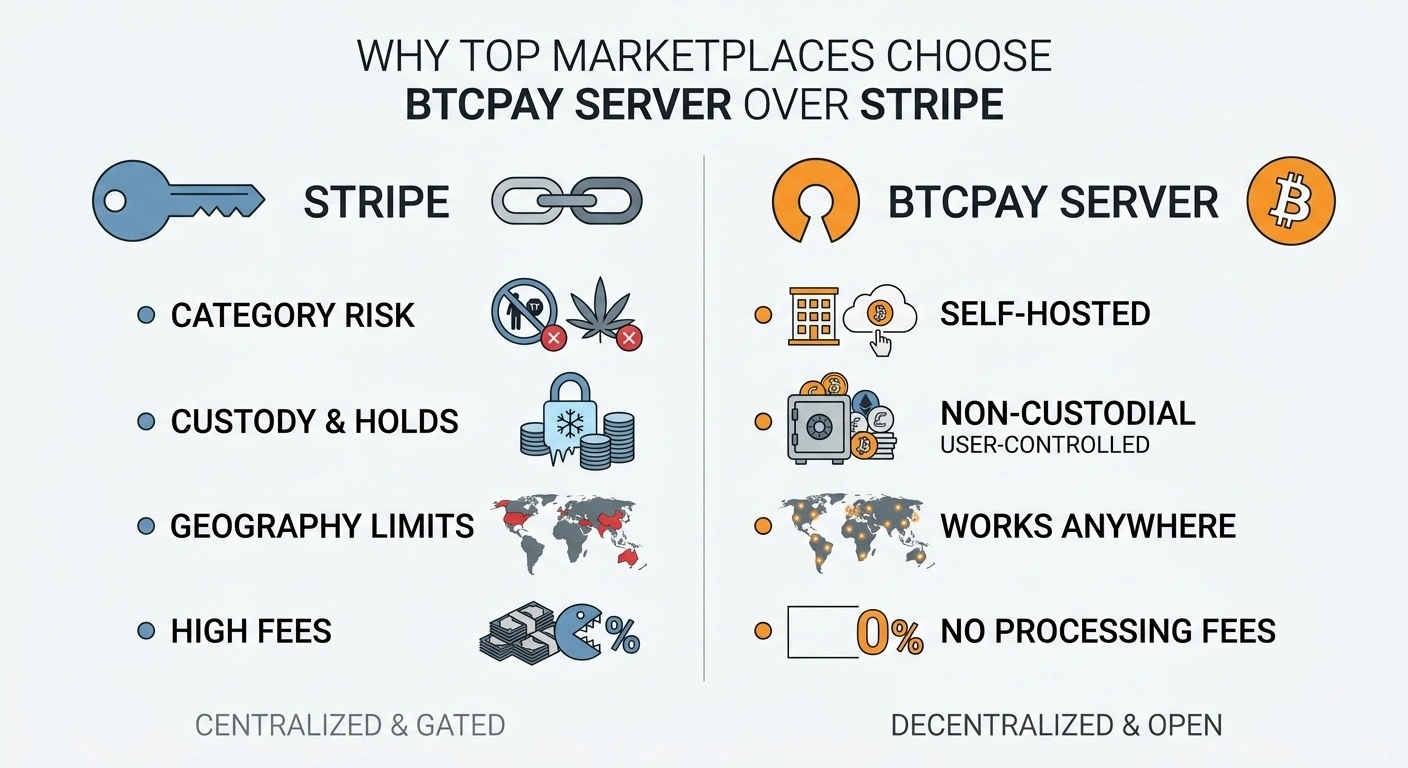
Stripe is the default answer for a reason. It’s polished, it’s well-documented, and it’s forgiving for first-time founders who just want to get a marketplace live. But it comes with strings attached, and those strings start to chafe as a marketplace grows past its first few hundred transactions:
- Category risk. Stripe (and PayPal, and most card processors) simply won’t touch certain verticals – CBD and hemp, adult content, firearms accessories, supplements, even some travel and ticketing niches. One quiet policy update can freeze a marketplace overnight, with zero warning.
- Custody and delayed payouts. Stripe Connect holds funds until an order is marked complete, and it can freeze a seller’s whole balance during a dispute investigation, often with little recourse.
- Geography. Whole regions are excluded from Stripe Connect payouts outright, which quietly caps who’s even allowed to sell on a given marketplace.
- Fees that scale against you. Card-network fees, currency conversion, chargeback costs – they all add up fast on a two-sided marketplace that’s taking commission on both ends of a transaction.
BTCPay Server sidesteps all four of those, and it does it by design rather than by accident. It’s self-hosted, so there’s no external company sitting in judgment of which categories are acceptable this quarter. It’s non-custodial – funds move directly between wallets, so there’s no third party in a position to freeze a payout. It works anywhere Bitcoin works, which is to say, everywhere.
Because it’s open-source with no processing fee baked in, the only real cost is the network fee. For a Bitcoin payments marketplace serving a grey-area niche, or one with a genuinely global seller base, that combination is genuinely hard to replicate with a traditional gateway.
To be clear, none of this is a knock on Stripe as a product – for a mainstream marketplace it’s usually still the pragmatic first choice, and most of our clients start there. We’ve written more broadly about weighing gateways for a Sharetribe build in our guide to payments in Sharetribe, and it’s worth reading before you assume crypto is the answer to every payments headache.
If you’re also deciding between platforms in the first place, our comparison of Sharetribe and Shopify is a useful starting point too – the payment-gateway flexibility we’re describing here is one of the reasons Sharetribe tends to win that comparison for marketplace builders specifically.
What BTCPay Server Actually Is (And Isn’t)
BTCPay Server is a self-hosted, open-source cryptocurrency payment processor. Think of it as “Stripe, but you run the server yourself, and you hold the keys.” It exposes a full Greenfield REST API covering stores, invoices, wallets, and webhooks – and that API is really what makes a proper BTCPay API for custom integration possible, rather than just a bolt-on “pay with crypto” button stapled to a checkout page.
Two things are worth being upfront about before any Sharetribe operator commits to this path, because they’ll shape the whole project timeline. First, BTCPay Server has to be self-hosted somewhere – we don’t manage the server itself, and there’s no managed SaaS fallback to lean on if something breaks. Second, at the time we did this integration, there was no sandbox environment for testing at all. Every payment flow, every wallet, every refund had to be verified with real, small-value transactions. Budget the time for that, and a little real BTC too.
Case Study: Building a BTCPay Server Integration for a Live Sharetribe Marketplace
Here’s how this actually played out on a real project, not a hypothetical one. Our client, Strainly, runs on a heavily modified Sharetribe open-source template, and the ask was straightforward on paper: let buyers pay in Bitcoin, and let sellers get paid out the same way. In practice, that meant a genuine crypto payment integration Sharetribe Web Template project, not a plugin bolted onto an existing checkout.
Step 1: Wiring BTCPay Server into the Marketplace Admin Panel
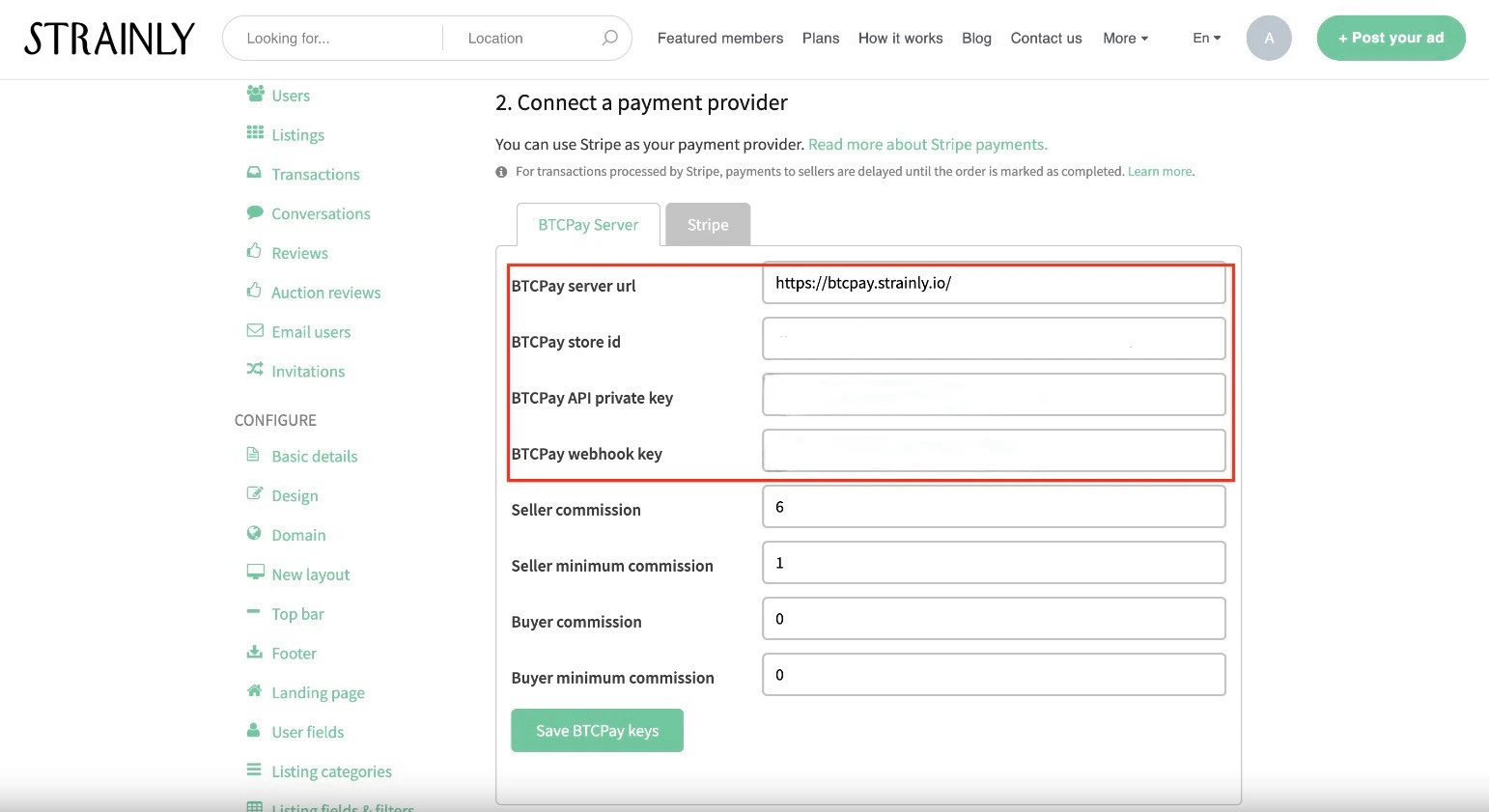
The starting point for any BTCPay Server integration is simple to state and less simple to build: connect the marketplace’s backend to a running BTCPay Server instance. We added a dedicated payment-provider tab to the admin panel, sitting right alongside Stripe as an equal option, where an admin drops in four credentials – the BTCPay server URL, the store ID, the API private key, and the webhook key. Once that’s saved, the marketplace can talk to BTCPay directly: creating invoices, checking payment status, triggering payouts, all without an admin ever needing to open the BTCPay dashboard for routine day-to-day operations.
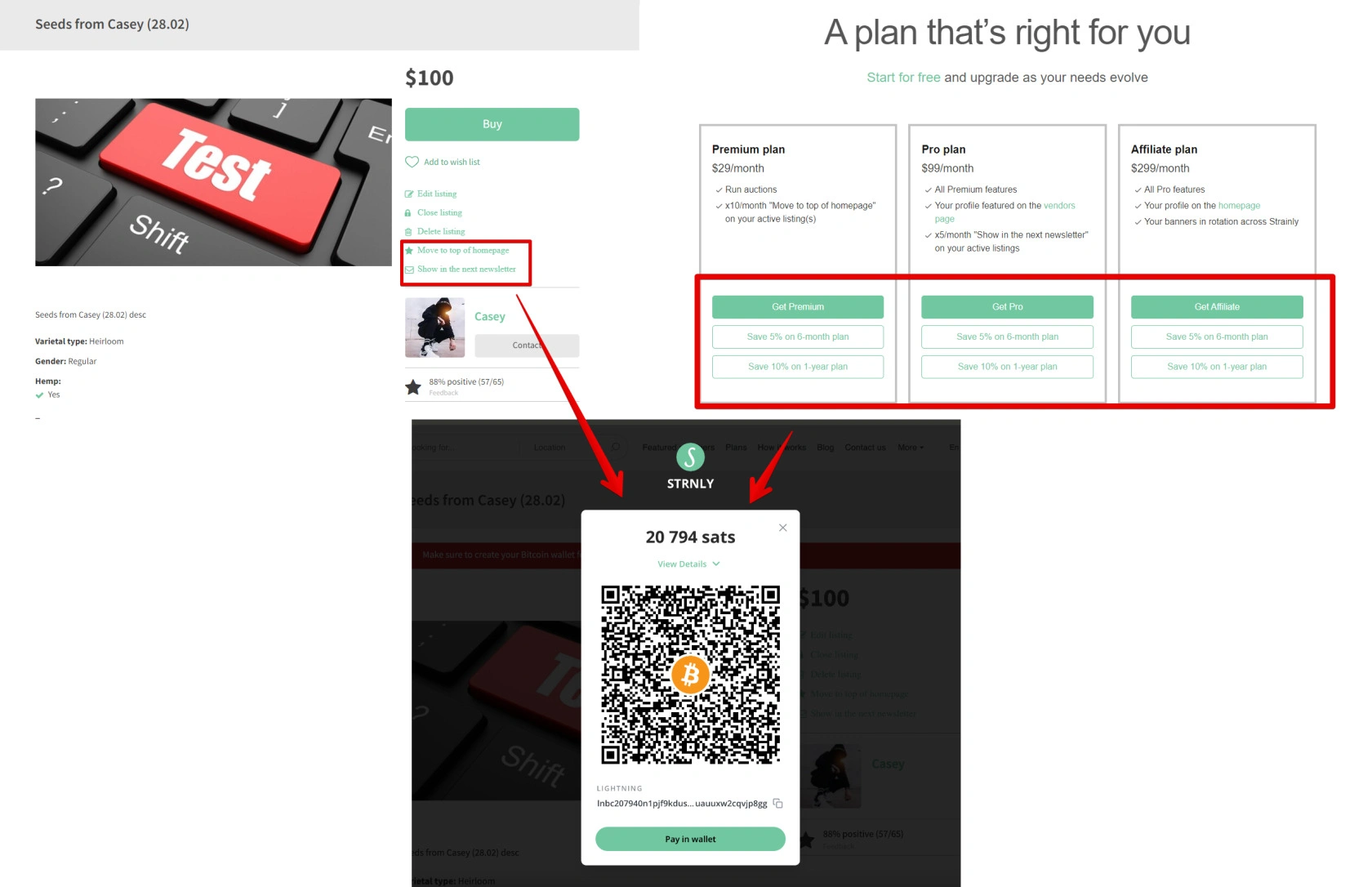
With that connection live, we didn’t stop at product purchases. We extended Bitcoin payments to cover marketplace features that had nothing to do with the core buy/sell flow – “Move to top of homepage” boosts, newsletter placement, and the tiered subscription plans (Premium, Pro, Affiliate) all became payable in BTC through the same invoice engine. Once the plumbing exists, reusing it everywhere is basically free.
Step 2: Designing the Provider Onboarding Flow
The client had one hard requirement that shaped almost everything downstream: sellers should never need to log into BTCPay Server directly. The entire crypto experience had to live inside the Sharetribe marketplace UI, full stop. That constraint is actually the part of the project that took the most design thinking, more than the raw engineering did:
- The seller creates a BTCPay account from a “Set up BTC payments” button inside their marketplace settings.

- Behind the scenes, the marketplace requests an API token scoped to that seller’s account with tightly limited permissions.
- The seller creates a store, again without ever leaving the marketplace.
- The marketplace registers a webhook for that store – this is how it later learns a payment succeeded, and exactly which seller received it.
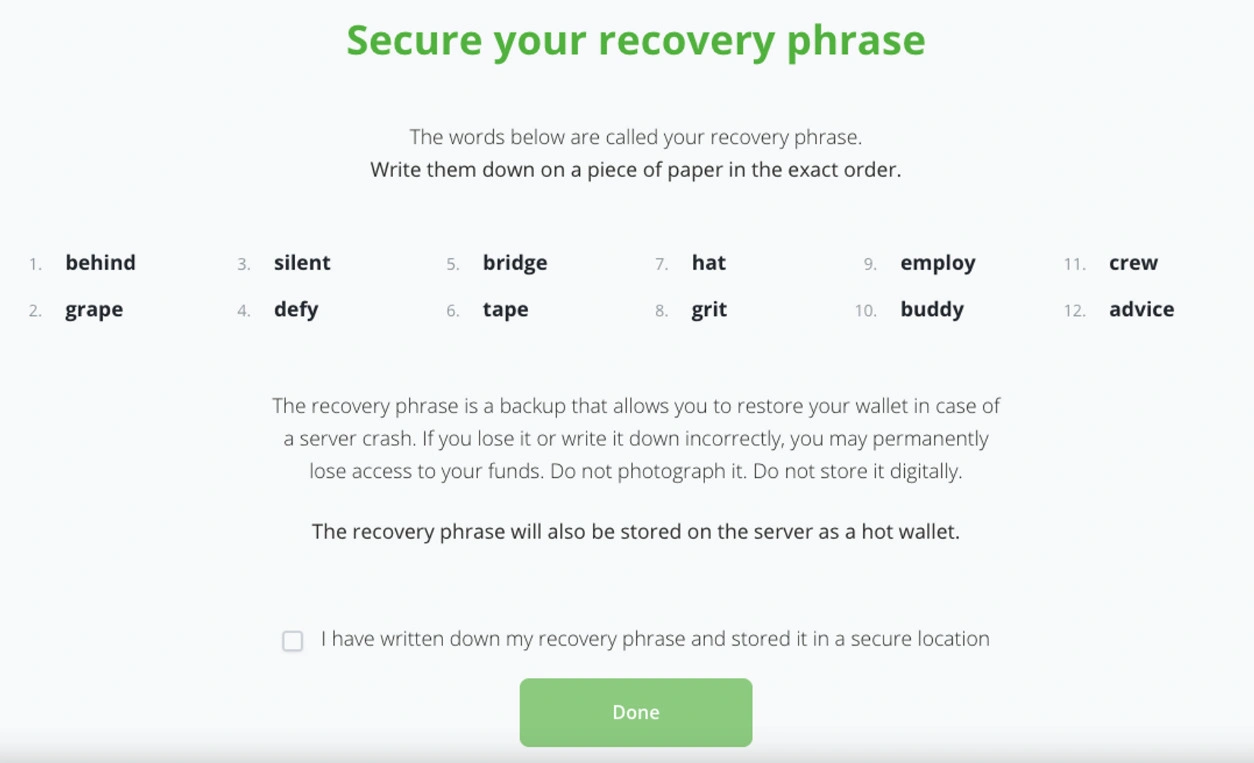
- The seller generates an on-chain wallet, backed by a 12-word recovery phrase shown once and never stored client-side in plaintext – though, worth flagging, BTCPay itself does retain it server-side as a hot wallet.
- The seller also generates a Lightning wallet, used for smaller transactions where on-chain fees just don’t make sense.
If a seller skips this setup entirely, we didn’t lock them out of the marketplace. They can still publish listings and accept commission payments. What they can’t do is let a buyer check out for the product itself – not until onboarding is finished, or the two parties simply agree to settle outside the platform. That fallback mattered a lot for adoption, honestly. It meant Bitcoin could roll out gradually instead of gating the entire marketplace on every seller completing crypto onboarding on day one.
Step 3: On-Chain vs. Lightning – Routing Payments by Size
One detail that separates a thoughtful BTCPay Server integration from a generic one is fee-awareness. On-chain Bitcoin transactions carry network fees that don’t scale well for small purchases, while the Lightning Network is fast and nearly free but has real liquidity limits. We handled the trade-off by routing automatically: invoices under $200 settle over Lightning, and anything above that threshold goes through the on-chain wallet instead. Sellers see both balances, plus full transaction history, from a single Wallet page inside the marketplace – no separate crypto dashboard to keep checking.
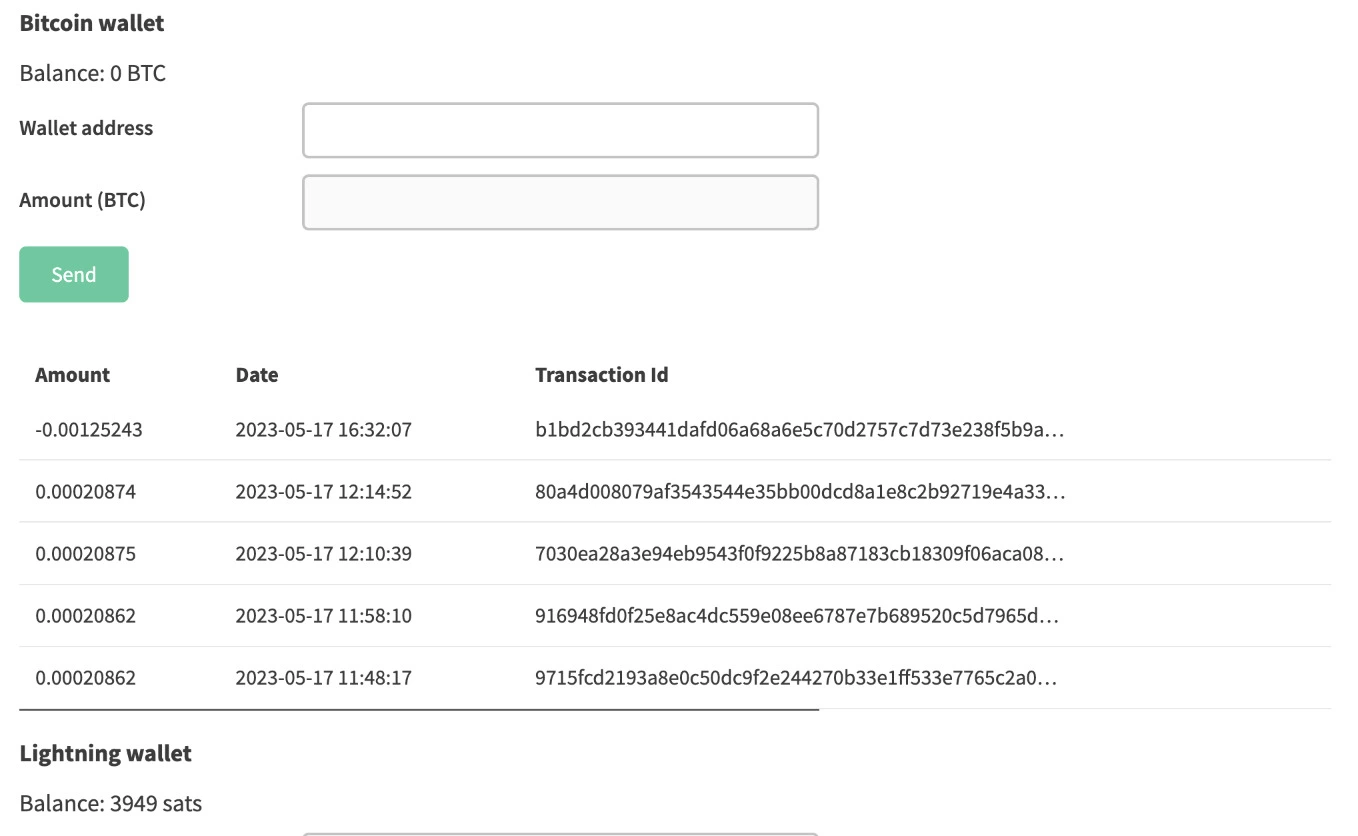
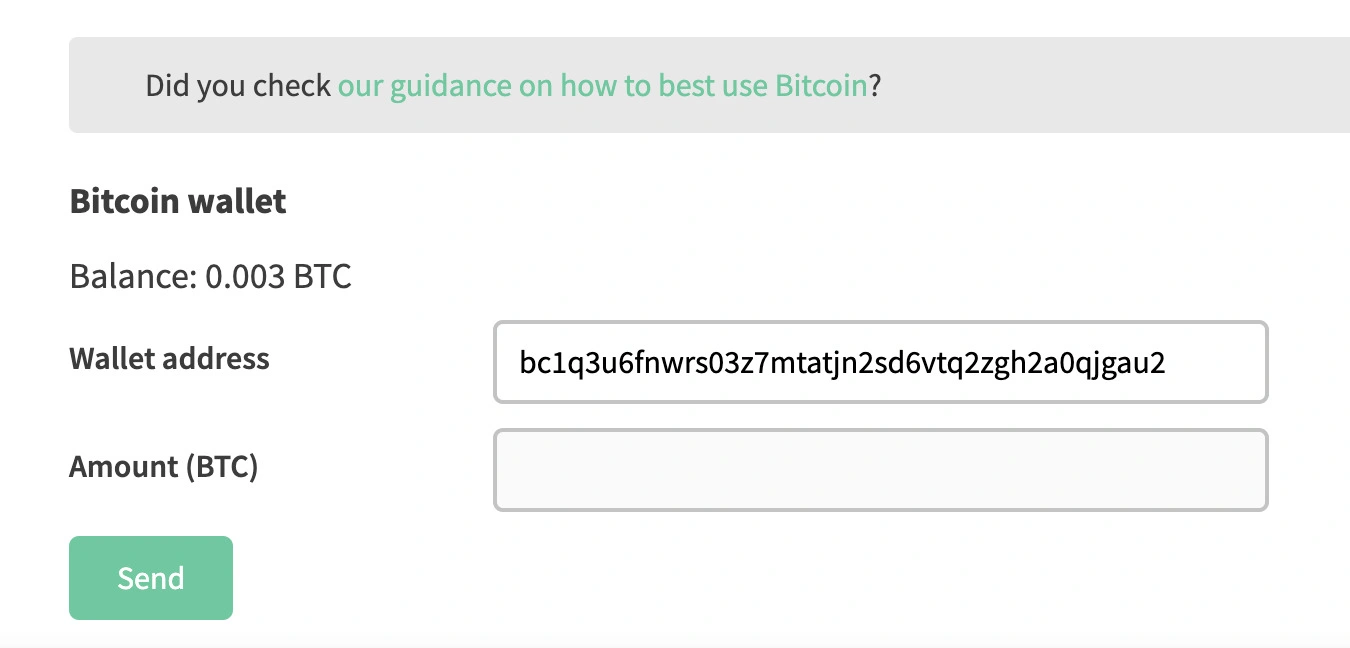
Withdrawals got the same fee-aware treatment. For the on-chain wallet, we pull the “ready to payout” balance straight from BTCPay and let sellers withdraw their exact amount to any address they choose.
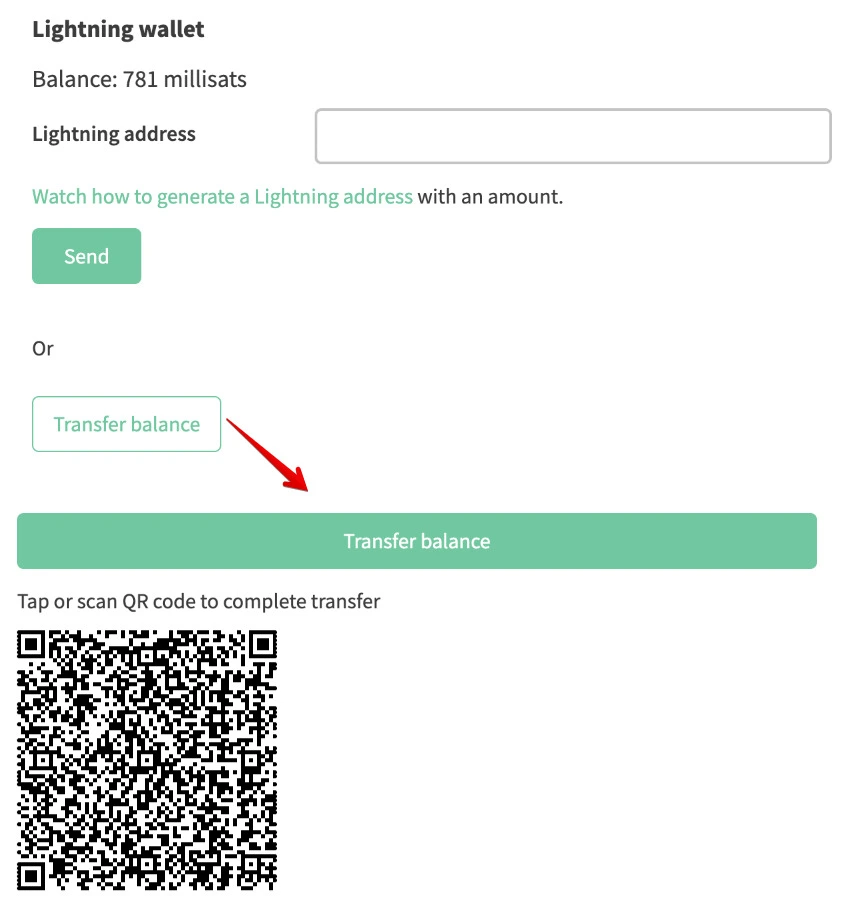
For the Lightning wallet, though, we deliberately don’t let sellers specify an arbitrary amount – we cap each withdrawal at 80% of the balance. Lightning channels have real liquidity constraints, and leaving a small buffer in the wallet measurably improves the odds an outgoing transfer actually succeeds. It’s not a perfect user experience, and we’ll say that plainly, but it trades a little friction for a lot more reliability.
Step 4: How to Integrate Crypto Escrow in Sharetribe – the Transaction Flow
This is the piece that turns “we accept Bitcoin” into an actual marketplace transaction model with real buyer and seller protections baked in – about as close to escrow as a non-custodial system honestly allows:
- A buyer sends a request for a product to the seller.
- The seller can decline, closing the transaction there, or approve it.
- On approval, the marketplace generates an invoice for its own commission and sends it to the seller.
- Once that commission invoice is paid – confirmed via the webhook, not by polling the API – buyer and seller are unlocked to chat with each other inside the marketplace.
- A payment button appears on the buyer’s side, generating a fresh invoice for the product itself. Funds go directly to the seller’s wallet the moment it’s paid, no marketplace custody involved.
- The buyer confirms receipt of the product, which prompts both sides to leave a review.
- If something goes wrong, the buyer can open a dispute. Only the seller can actually initiate a refund; once they do, the buyer scans or clicks a QR code and gets the funds back.
- A seller can also issue a refund proactively, without a dispute even being opened, and both parties still get prompted to review each other afterward.
Every payment in the system – subscriptions, homepage boosts, marketplace commission, the order itself – runs through that same BTCPay invoice mechanism, which kept the codebase from splintering into a dozen bespoke payment paths. It’s a genuinely workable answer to how to integrate crypto escrow in Sharetribe: not smart-contract escrow in the strict sense, but a commission-gated, webhook-verified sequence that gives both sides real checkpoints and a way out if a deal goes sideways.
For marketplaces weighing what else is possible inside Sharetribe’s transaction engine, our write-up on social login authentication for Sharetribe marketplaces covers a similar kind of custom extension work, outside the platform’s defaults but fully native to the checkout experience.
Challenges We Faced During the BTCPay Server Integration
- Zero prior crypto experience on the team meant even BTCPay’s own documentation was genuinely hard to parse at first. Budget ramp-up time for this, even for strong backend engineers.
- No sandbox at all. Every wallet, every invoice, every refund path was validated with real Bitcoin and real payments – there was no dry run.
- Honestly, this integration would have been far harder without direct guidance from the client’s own BTCPay-experienced advisor on wallet behavior, commission mechanics, and Lightning quirks. If a team doesn’t have that kind of in-house expertise sitting nearby, plan for a steeper learning curve.
- The BTCPay Greenfield API didn’t yet expose every piece of functionality we needed at the time, which meant waiting on upstream releases for a couple of edge cases we couldn’t work around.
Useful References for Developers
For teams building their own BTCPay API for custom integration, these are the Greenfield API endpoints that carried most of the weight on this project: user creation, store creation, on-chain wallet generation (with seed-phrase handling), Lightning wallet creation, invoice creation, and refund creation. BTCPay Server’s own documentation portal is the best starting point once the marketplace side of the architecture above is already in place.
The Future of Web3 Marketplaces on Sharetribe
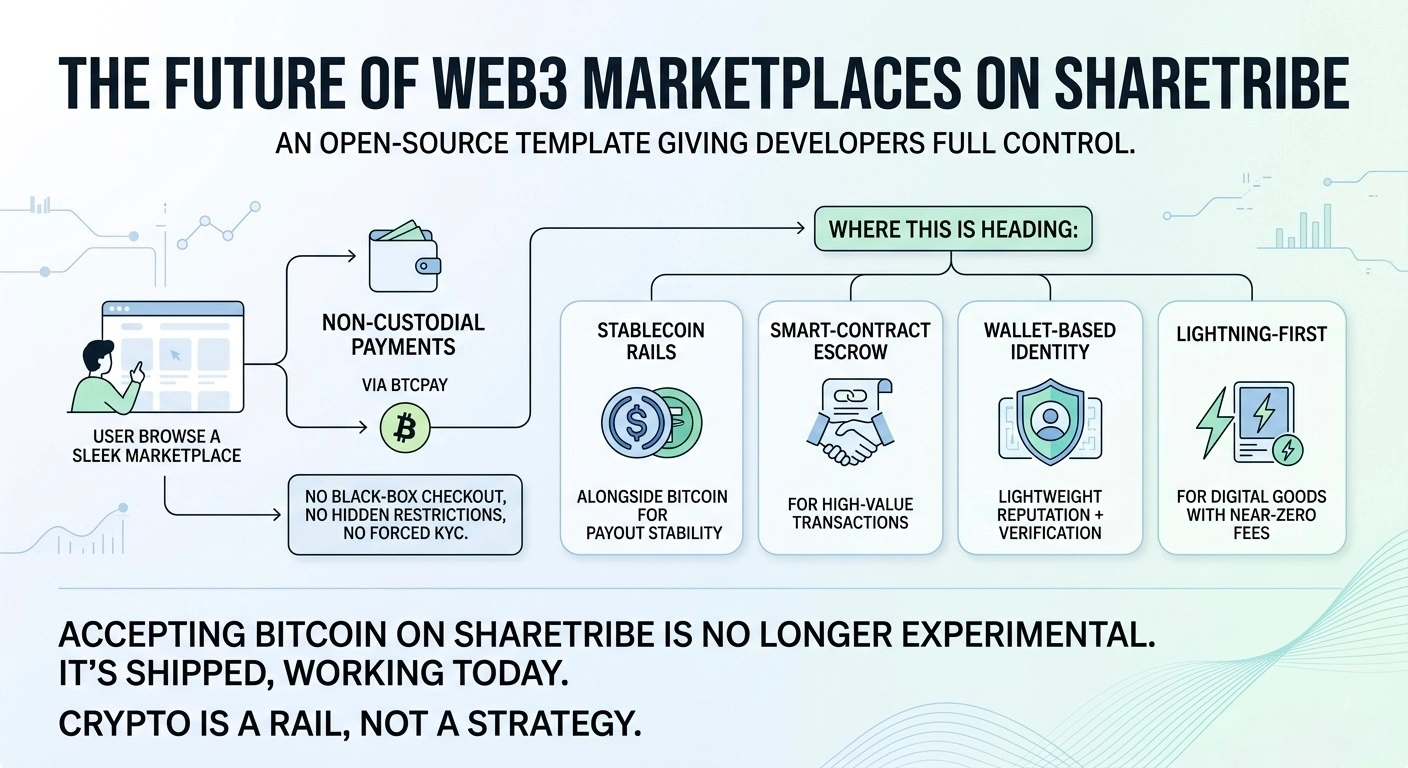
This project is a useful case study precisely because it isn’t speculative – it’s a live marketplace processing real orders, not a proof-of-concept sitting in a GitHub repo. But it does point to a broader shift worth naming.
Sharetribe’s open-source template gives developers full control over the transaction process, and that’s exactly what a non-custodial payment rail like BTCPay needs: no black-box checkout, no payment provider quietly deciding which verticals are allowed this month, no forced KYC layer wedged between a marketplace and its own sellers.
So where does this tend to go next, for marketplaces experimenting with Web3 more seriously?
- Stablecoin rails alongside Bitcoin, so sellers who want payout stability aren’t fully exposed to BTC price swings between the sale and the eventual payout.
- Smart-contract escrow as an alternative to the webhook-gated commission model described above – especially useful for higher-value transactions where both sides want stronger guarantees than “the seller controls the refund button.”
- Wallet-based identity, where a connected wallet doubles as a lightweight seller reputation and verification layer – relevant for marketplaces that want to loosen KYC without losing trust signals entirely.
- Lightning-first marketplaces for digital goods and services, where near-zero fees and instant settlement matter more than the escrow guarantees a physical-goods marketplace actually needs.
None of this replaces good payments fundamentals, and we’d be doing you a disservice if we implied otherwise. A marketplace still needs clear dispute handling, sensible fee logic, and a checkout flow that doesn’t ask a buyer to understand what a UTXO is. Crypto is a rail, not a strategy on its own. But for marketplaces boxed out of traditional processors, or aiming at genuinely global, non-custodial commerce, being able to accept bitcoin on a Sharetribe marketplace checkout is no longer an experimental sentence in a pitch deck – it’s a shipped, working pattern, running today.
Should Your Marketplace Accept Bitcoin?
If a marketplace is being blocked by a payment processor’s category restrictions, is trying to serve sellers in regions Stripe simply doesn’t reach, or just wants to offer buyers a lower-fee, non-custodial option alongside cards, a cryptocurrency payment integration is worth taking seriously. It’s not a weekend plugin install – the hours above make that clear – it’s closer to a mid-size feature build touching admin config, seller onboarding, wallet UX, and the entire transaction state machine. But it’s a solved problem at this point, not an open one. The architecture described here is running in production today, handling real orders.
Roobykon builds custom payment logic into Sharetribe marketplaces on a regular basis, Bitcoin included, and we can scope out what a Sharetribe custom payment gateway development project would actually look like for a specific marketplace – anywhere from a lightweight BTCPay Server integration to a full multi-gateway checkout. More on how we approach custom payment gateway integration is on our services page. And if you’re still shaping the broader build – not just payments – our overview of what makes the current version of Sharetribe worth using is a good next read, since a lot of the flexibility this BTCPay integration to a marketplace relies on comes from decisions made at that platform level.
Enjoyed this article and want to see how it applies to your project?
We're happy to chat. From a simple BTCPay Server connection to a fully-fledged multi-gateway checkout, we help marketplace founders navigate the most critical part of their build. Reach out for a no-pressure conversation about your payment needs.
Let's Talk About Your Marketplace
Recommended articles
 Sharetribe Reviews 2026: An Honest Look at the No-Code Marketplace Platform
Building a marketplace in 2026? Stop scrolling – this Sharetribe review is your reality check. We've crunched the numbers, analyzed real customer feedback, and mapped the platform against every marketplace type.
 Advanced Search for Sharetribe Marketplace: How We Built a Smarter Way for Users to Find What They Need
Internal search users convert at 2-3x higher rates, but only if the search actually works. We walk through building a smarter search for marketplace on Sharetribe, adapting it for aviation, real estate, rentals, and beyond.
 SEO for Sharetribe Marketplace: The Definitive Guide to Scaling Your Platform Organically
Everything you need to know about SEO Sharetribe in one place. From competitor analysis and GEO readiness to technical audits and content marketing. Learn actionable Sharetribe promotion strategies to rank higher in Google and AI search overviews.
 Social Login Authentication for Sharetribe Marketplaces
How to implement social login on Sharetribe: A step-by-step breakdown of what it really takes to add Apple, LinkedIn, and other providers. Includes common problems and proven solutions from marketplace experts.