Subscribe and you will promptly receive new published articles from the blog by mail
If you run or use a car-sharing platform, you already know the golden rule: trust makes the wheels turn. Without it, the whole model falls apart. And yet, the industry is bleeding cash (about $152 million every year), because stolen identities are being used to rent cars that never make it back. Some of those vehicles are stripped for parts, others vanish into the black market, and a few even get dragged into serious crimes. Not exactly the kind of customer story you want on your platform.
Now, here’s the scary part: a survey showed that over 70% of sharing economy users “verify” themselves with nothing more than an email address. That’s like tossing your car keys to a stranger just because they spelled their Gmail right. No wonder fraudsters love these platforms. Weak or outdated car-sharing registration processes are essentially open invitations for abuse.
The good news? We’re not stuck with outdated tools anymore. Today, platforms can plug in deep learning-based KYC checks that go way beyond “type in your email.” These systems can scan IDs, separate and match faces, confirm if a document is valid, and hit up to 91% accuracy (tested on thousands of real documents). Add in background checks (like national criminal databases and driving history), and suddenly, fraudsters have a much harder time slipping through the cracks.
For operators, this means rethinking user registration in car-sharing companies not as a box-ticking exercise, but as a mission-critical safeguard. Smarter onboarding reassures honest customers that their safety, identity, and rides are protected.
If you’re planning to start a car-sharing business, this is a competitive necessity. In this article, we’ll explore how smarter user registration and identity verification in car sharing can protect car-sharing platforms from massive losses while giving honest users what they really want: peace of mind and a safe way to get from A to B.
Importance of user registration in car sharing
User registration is more than just a “sign-up” button. It’s one of the fundamental car-sharing requirements. Think of it as the first handshake between you and your customer. Done right, it sets the tone for trust, transparency, and accountability. Done poorly, it leaves the door wide open for fraudsters.
At its core, registration helps build a trustworthy user base. When people know that every driver or passenger on the platform has gone through a proper onboarding process, they feel safer renting out or driving away with a shared car. That sense of security is what keeps people coming back and keeps your fleet protected.
So, what kind of data usually gets collected at this stage? Typically, it starts with the basics:
- Full name
- Contact details (phone number, email)
- Driving license details (number, expiration date, issuing authority)
This seems straightforward, but here’s where the challenges creep in. Anyone can type in a fake name or upload a blurry picture of a license they found online. The problem isn’t just collecting data; it’s making sure that data is accurate and authentic. Without proper verification, digital onboarding process becomes nothing more than a formality, and that’s where risk skyrockets.
Identity verification in car-sharing platforms
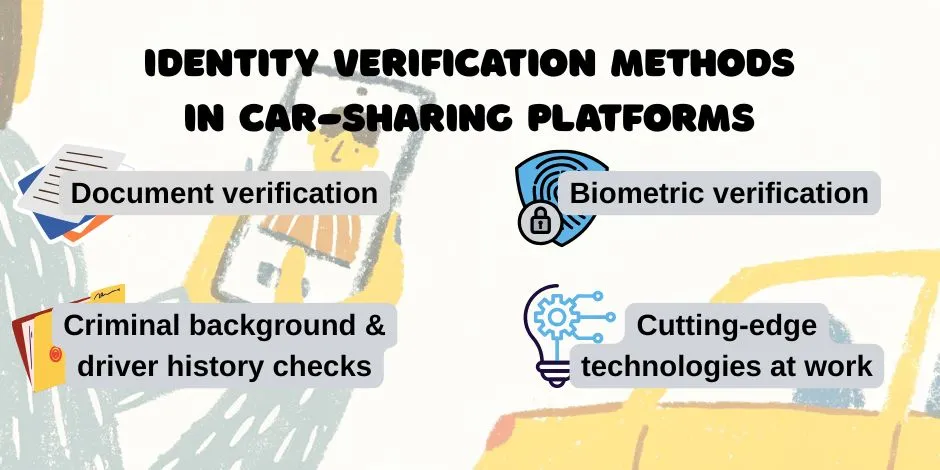
This is where ID verification in car-sharing companies comes into play. If registration is the handshake, verification is the ID check at the door, the step that confirms whether someone really is who they claim to be. Its purpose is simple but critical: to reduce fraud, increase trust, and ensure only legitimate users gain access to vehicles.
Car sharing platforms today use several verification methods, each designed to close different gaps:
1. Document verification
The most common method starts with scanning and validating government-issued IDs, driver’s licenses, passports, or national ID cards. Advanced systems can detect forgery, check expiration dates, and cross-reference details with official databases. No more slipping through with a fake laminated card.
2. Biometric verification
Here’s where things get a little futuristic. Biometric checks, like face recognition and liveness detection, help confirm that the person holding the phone is the same person in the uploaded document. It’s much harder to trick a system that asks you to blink, smile, or turn your head while it cross-checks your face against the ID photo.
3. Criminal background & driver history checks
Beyond confirming identity, platforms can run deeper checks to assess user reliability. This may include searching national criminal databases for red flags or reviewing driver history records for past violations. A clean record builds confidence not just for the platform, but also for fellow users.
4. Cutting-edge technologies at work
Behind the scenes, these processes are increasingly powered by AI, deep learning algorithms, and KYC (Know Your Customer) procedures. These are tools that enable platforms to handle verification at scale, with accuracy rates climbing above 90%. The result? Faster approvals for genuine users and much tougher barriers for fraudsters.
Security and fraud prevention
Fraud in car sharing is one of the biggest risks the industry faces. The most common scams usually fall into three buckets:
- Stolen identities – Fraudsters use someone else’s personal details or forged IDs to register, then rent vehicles that never return.
- Fake profiles – Multiple fake accounts can be created to bypass restrictions or exploit referral programs.
- Vehicle theft – The worst-case scenario: a car is rented, disappears, and ends up sold, stripped, or used in illegal activity.
The impact is massive. We’re talking financial losses that add up to about $152 million every year across the rental and car-sharing sector. But the damage is about safety. A stolen car isn’t just missing from your fleet; it could be involved in serious crimes. That kind of headline can crush a brand’s reputation faster than any competitor ever could.
When users know the platform is serious about safety, they’re more willing to trust it with both their cars and their wallets.
Verification process workflow
So how does a car-sharing platform actually keep fraud at bay? It comes down to designing a smart, streamlined verification workflow. Here’s how it usually plays out:
- User submits registration details and documents. This includes basic personal info, contact details, and government-issued ID, like a driver’s license.
- Automated document and biometric verification. The system scans the document for validity, checks expiration dates, and runs forgery detection. At the same time, it compares the user’s selfie with the ID photo using facial recognition and liveness detection to make sure we’re dealing with a real person, not a static image or a stolen picture.
- Cross-check with criminal and driver databases. To filter out risky users, the platform can connect with nationwide databases to check criminal records and past driving violations. This step ensures that the people behind the wheel meet not only identity standards but also safety standards.
- Final approval or rejection and notification to the user. Once all checks are completed, the system makes a decision. If everything looks good, the user gets approved and can start car-sharing booking. If not, they’re notified right away and asked to provide additional proof or clarification.
Behind all this, the key challenge is balancing efficiency and accuracy. Nobody wants to wait days for approval, but nobody wants fraudsters sneaking through either. That’s where AI and deep learning shine, speeding up decisions while keeping accuracy high. Modern identity fraud detection in car sharing makes it possible to scale verification while blocking the most common attack vectors used by fraudsters.
Roobykon’s case studies: smarter registration & verification in action
BlueMountain – ski equipment rentals
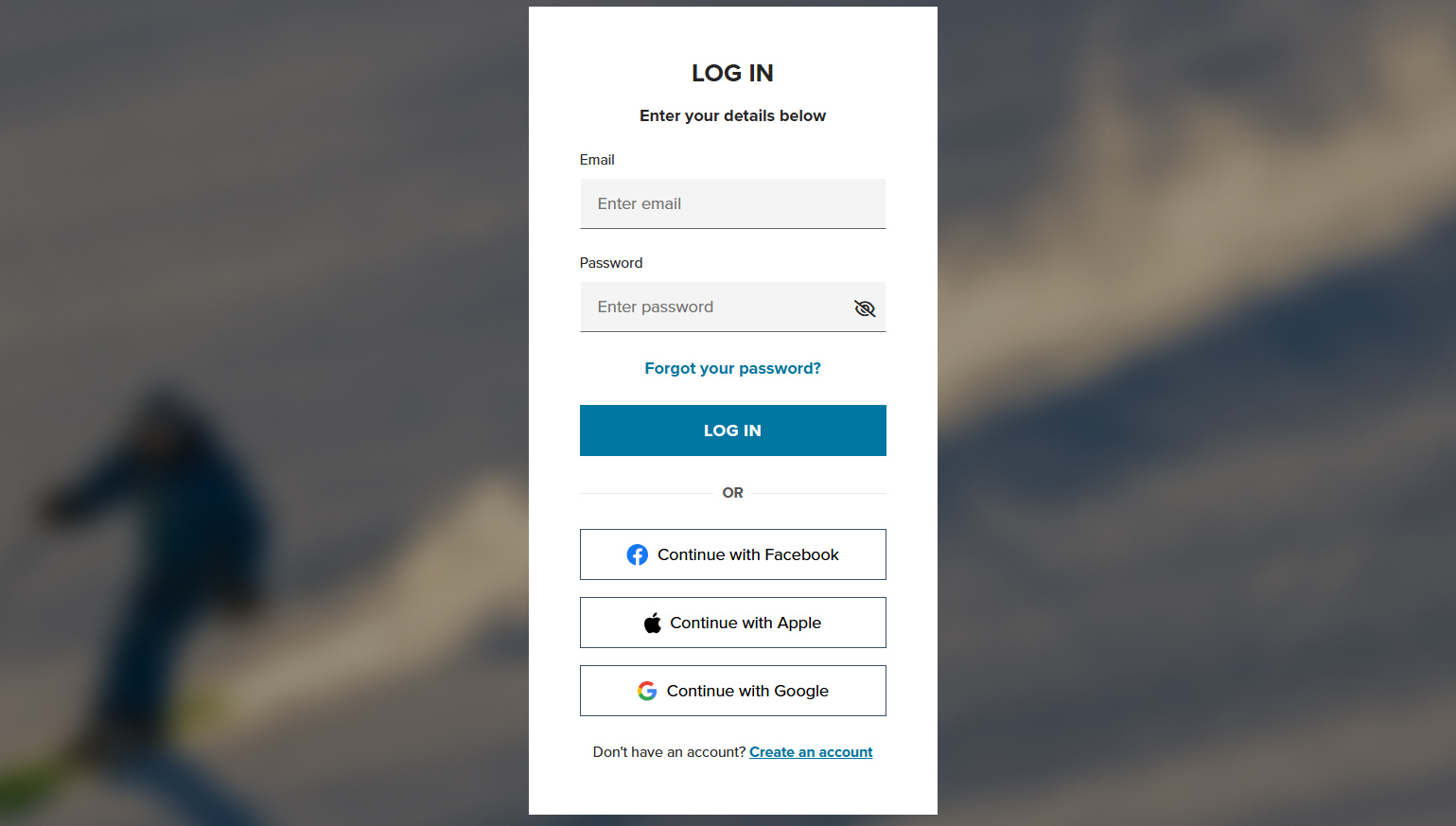
For BlueMountain, the goal was to make sign-up as easy as possible. After all, when someone’s planning a ski trip, the last thing they want is a long registration form. We built a social sign-in feature from scratch, letting users log in with Google or Facebook in just a click. It removed barriers and gave people a friction-free way of onboarding for a car sharing, so they could spend less time typing and more time on the slopes. This approach also laid the groundwork for more features for the car-rental business, helping platforms expand beyond basic booking into seamless, user-friendly experiences.
Drive lah – car sharing
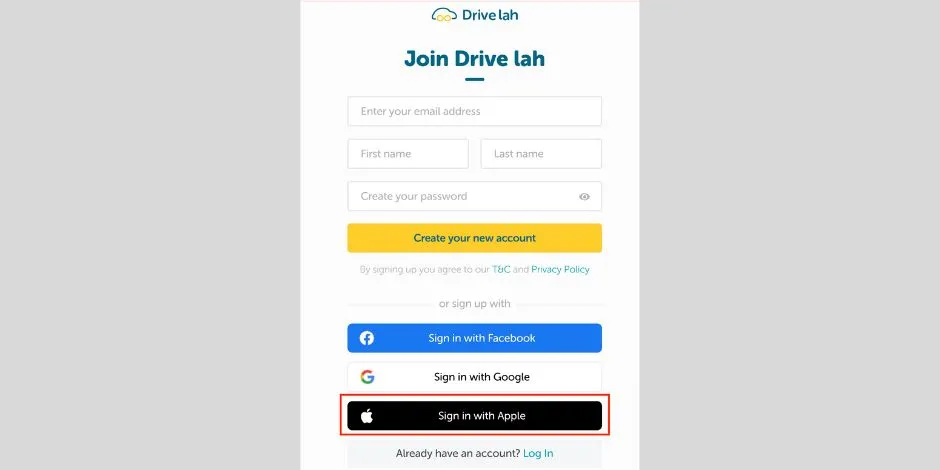
The vehicle sharing business model is all about trust and convenience. For Drive lah, we introduced Apple login integration. With one tap, users can sign in securely, knowing Apple’s strong privacy standards have their back. This identity confirmation in ride sharing simplified the process for iOS users while giving the platform a boost in both reliability and user confidence.
Upisle – watercraft rentals
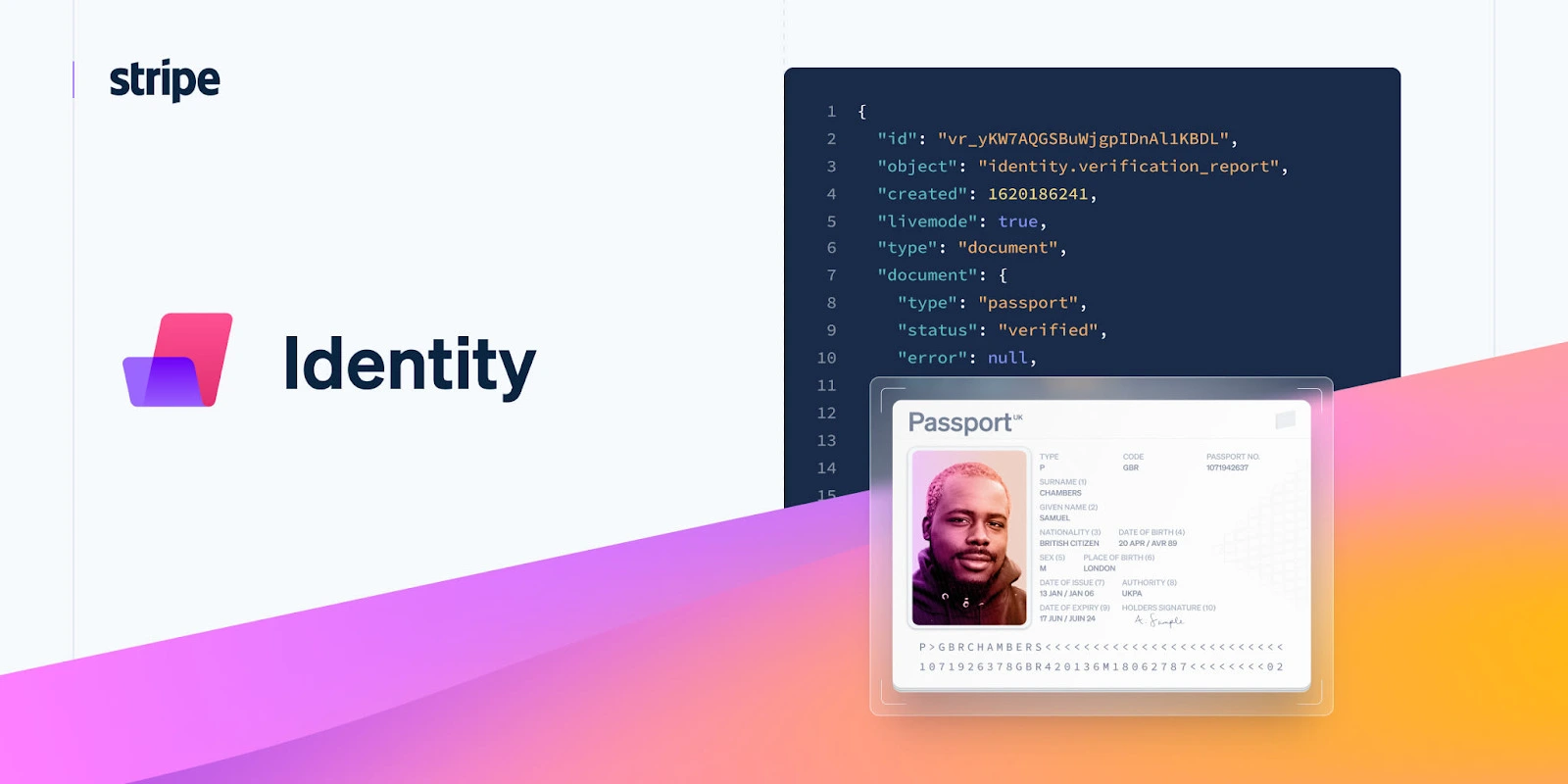
In peer-to-peer rentals, trust is everything, especially when high-value assets like boats are involved. That’s why, for Upisle, we integrated Stripe Identity for ID verification. Providers upload their personal documents, which are automatically validated before they can list their watercraft. This gave users peace of mind, knowing that everyone on the platform had been verified, and it made the community feel a lot safer. The same principle applies to fraud prevention in car sharing, where strong identity verification is the foundation for building trust and keeping both assets and users secure.
These projects prove one thing: when security and simplicity come together, everyone wins. Whether it’s a quick social login, Apple ID integration, or robust document verification, small touches can make a big difference in how users experience your platform—and how much they trust it. And in an industry where online fraud in vehicle rental is a growing threat, those extra layers of trust and protection are mission-critical.
Final words
People need to feel safe before they hit the road. That’s why user registration and identity verification matter so much. They’re the safeguards that protect platforms from millions in fraud losses and give users the confidence to rent a car without second-guessing. A well-structured identity management car-sharing platform sets the foundation for long-term trust between users and operators.
The good news is that today’s tech makes it possible to combine security with simplicity. AI-driven KYC, biometric verification in car sharing, and database cross-references can catch fraud before it happens, while still keeping onboarding fast and frustration-free for real users. On top of that, built-in age verification for ride sharing ensures that only qualified and responsible drivers get access to vehicles, closing another common loophole exploited by bad actors. It’s all about finding that sweet spot between safety and convenience.
In the end, car sharing is about sharing trust. And that trust starts the moment someone signs up. Platforms that invest in smart, user-friendly verification build stronger communities and loyal customers.

Recommended articles
 How to Build a Mobile App for Your Sharetribe Marketplace
Your marketplace deserves more than just a mobile-friendly site — it needs a true app experience. In this guide, we’ll show you how to build a Sharetribe mobile app by combining Sharetribe’s backend with a custom mobile frontend.
 Car Rental Booking System: Complete Guide for Businesses
If your rental business isn’t equipped with a modern booking system, you risk falling behind. This in-depth guide explores how smart booking technology can automate your operations, boost customer loyalty, and scale your business without extra overhead.
 How to Build a Car-Sharing Website Like Turo: Complete Guide for 2026
Thinking about launching a peer-to-peer car sharing platform like Turo? This complete 2025 guide walks you through everything from business models and key features to insurance, tech stack choices, and growth tactics.
 Sharetribe for Car Sharing Platform: Why it’s a Good Starting Point
Car sharing is growing fast, and so is the need for flexible, trusted platforms. Learn how Sharetribe helps entrepreneurs launch and scale peer-to-peer car rental marketplaces without code, upfront dev costs, or delays.